





As a parent ,we are often distressed on seeing our child coughing and sneezing every other day. So we feel helpless and compelled to give them allelopathic medicines to alleviate the symptoms. But rather than that ,it is important to build up a child’s immune system for their overall health and well-being in a long run .
This can not only help to protect them from various diseases and illnesses but also keep them away from allelopathic medicine which may kill the normal defense bacteria that reside in our body and allow bad bacteria to grow.

So, to help you parents out there worried about your child’s frequent sickness, I am sharing some of the methods which I learned from my doctors/elders to help build up my child’s immune system.
1.Ensure a healthy diet
I cannot stress this enough but a balanced and nutritious diet is essential for building a strong immune system. Encourage your child to eat a variety of fruits and vegetables, whole grains, lean protein, and healthy fats to help build their immune system. Some foods which I highly recommend are:
1.Honey
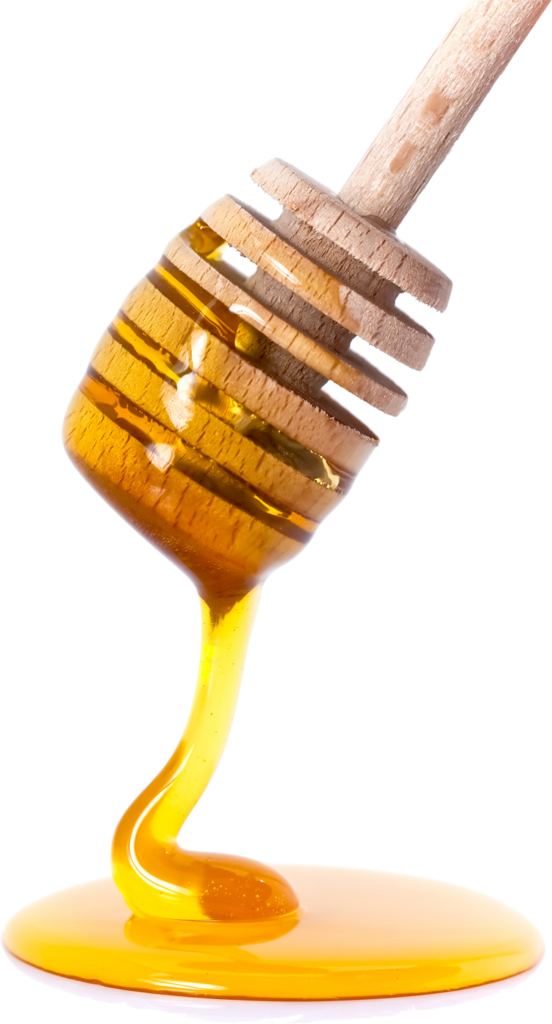
This is the easiest and convenient food to introduce to your child’s diet to help build their immune system. You can set up an alarm and give one teaspoon of honey to your child daily. This is a tasty option and even fussy eaters will surely like it.
Moreover there are numerous other health benefits of honey according to ayurveda.
(i) It is anti-microbial and anti-allergic
(ii)Great energy booster,
(iii)Memory enhancer,
(iv)Full of anti-oxidants
(v) Can even help in promoting a good night’s sleep for your child.
So don’t delay and start inculcating this superfood from today itself.
Warning: Feeding honey to infants below 1 year of age might be dangerous. Raw honey comprises the spores of botulism bacteria, found in soil and dust particles. These bacteria could increase the risk of botulism – a rare condition that causes breathing difficulties and muscle paralysis in infants.
2.Curd/Yoghurt

Yogurt is a nutritious food that can provide several potential health benefits. It is important to choose plain yogurt without added sugars or flavors for your child’s immunity, as these can negate some of its health benefits.
Several Benefits of yoghurt includes:
(i)Improved immunity :The probiotics in yogurt can help boost the immune system by supporting the growth of healthy gut bacteria.
(ii)Improved digestion: The beneficial bacteria in yogurt can help promote healthy digestion and prevent constipation, bloating, and other digestive problems.
(iii)Stronger bones: Yogurt is a good source of calcium, which is essential for strong bones and teeth. It also contains vitamin D, which helps the body absorb and use calcium.
3.Vitamin C loaded fruits/vegetables
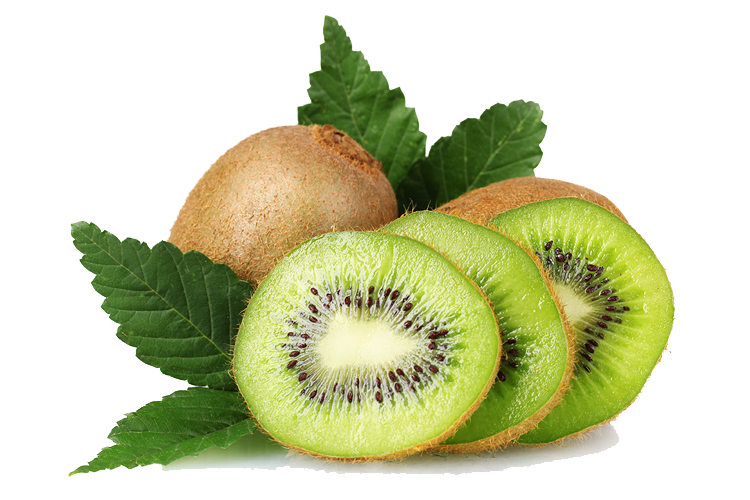
Vitamin C, also known as ascorbic acid, is a water-soluble vitamin that plays several important roles in the body, including supporting the immune system, collagen production, and iron absorption. Here are some foods that are rich in vitamin C and which you must introduce to your child.
- Citrus fruits: Oranges, lemons, limes, grapefruit, and tangerines are all high in vitamin C.
- Berries: Strawberries, raspberries, blackberries, blueberries, and cranberries are all excellent sources of vitamin C.
- Kiwi: One medium-sized kiwi contains more vitamin C than a medium-sized orange.
- Pineapple: This tropical fruit is a good source of vitamin C and also contains bromelain, an enzyme that can aid in digestion.
- Papaya: One medium-sized papaya contains more than 100% of the recommended daily intake of vitamin C.
- Mango: This juicy fruit is a good source of vitamin C and also contains other nutrients, such as vitamin A and potassium.
- Bell peppers: Red, green, and yellow bell peppers are all high in vitamin C, with red bell peppers containing the most.
- Broccoli: This cruciferous vegetable is a good source of vitamin C and also contains other nutrients, such as vitamin K and folate.
- Brussels sprouts: These small, cabbage-like vegetables are a good source of vitamin C and also contain fiber and other important nutrients.
- Tomatoes: These juicy fruits are a good source of vitamin C and also contain lycopene, an antioxidant that may help protect against certain types of cancer.
4.OATS
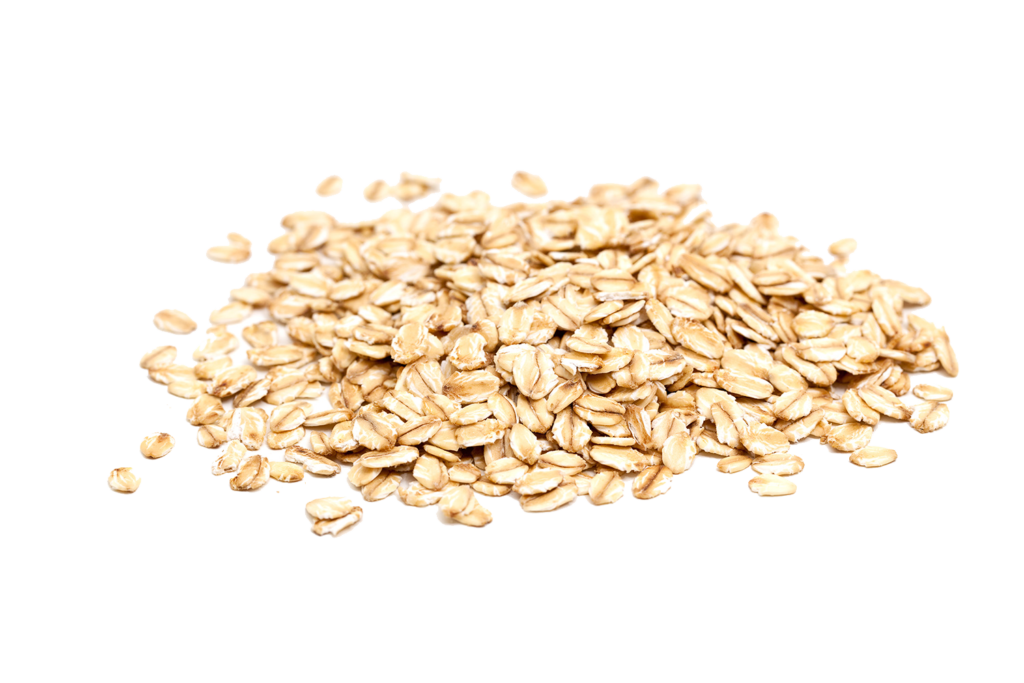
Oats are a gluten free healthy alternative to wheat-based foods and one of the most effective food providing good immunity to kids. This gluten-free whole grain also has a high fiber and protein content which can help keep your child feeling full for longer and reduce their craving for junk which can lower their immunity.
Additionally oats are a rich source of several important nutrients like antioxidants, vitamins, and minerals. Not only does it prevent harmful pathogens from entering your kid’s immune system but also enhances digestive health.
5.Eggs
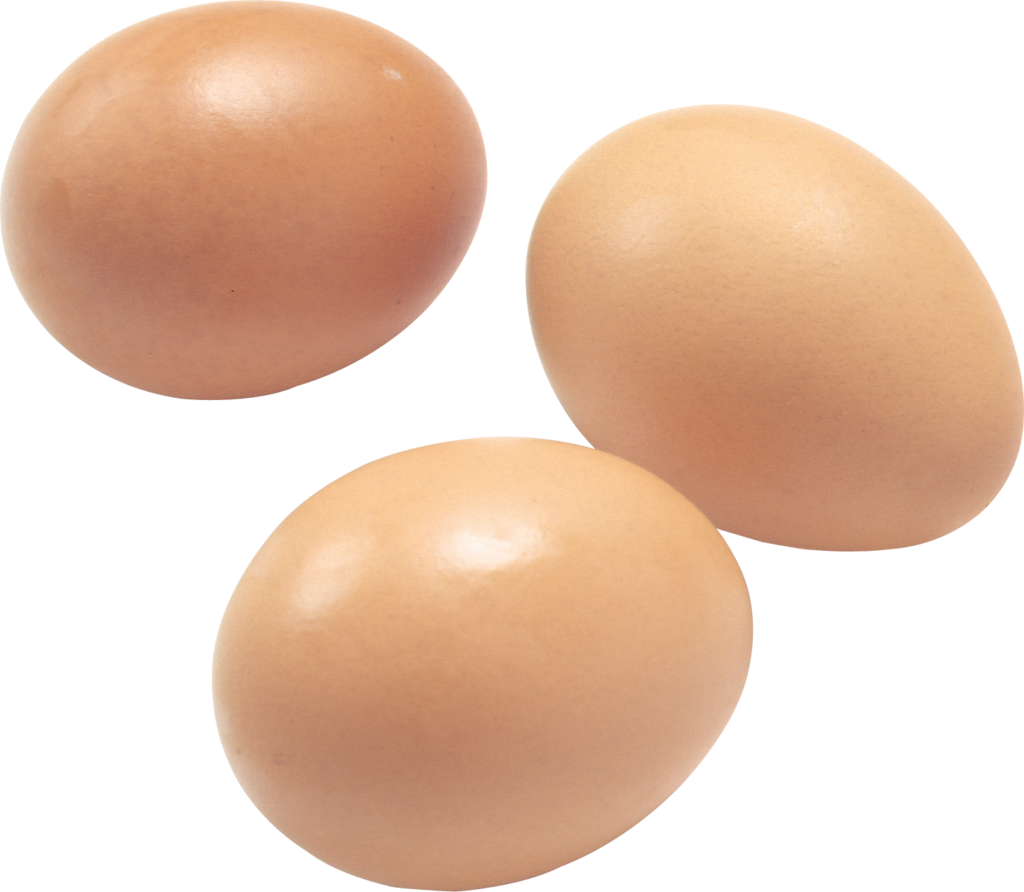
Eggs are one of top immune system booster and complete food for a child. Eating eggs for breakfast can help children feel full and satisfied for longer and provide them with energy for staying active all day long
Besides they are loaded with Vitamin D, vitamins A, B12,selenium, zinc and is also a great source of high-quality protein, which is essential for building immunity, growth and development in children.
They are a versatile food that can be prepared in a variety of ways, such as boiled, scrambled, or in omelets, making them a great addition to a child’s diet.
It’s important to note that some children may have an allergy to eggs, which can cause symptoms such as hives, wheezing, or digestive problems. If your child has an egg allergy, it’s best to avoid giving them eggs and consult with a healthcare professional for advice on safe alternatives.
6.Turmeric
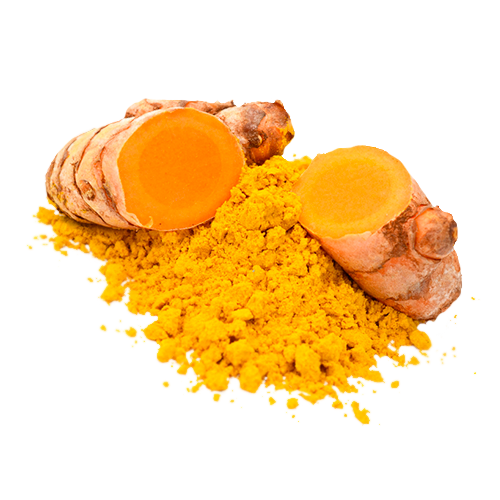
Turmeric is a spice that is commonly used in Indian and Asian cuisine and is known for its medicinal properties. It contains an active ingredient called curcumin, which has several potential health benefits, including boosting the immune system. Here’s how turmeric can help improve a child’s immunity:
- Anti-inflammatory properties: Curcumin has strong anti-inflammatory properties, which can help reduce inflammation in the body and boost the immune system.
- Antioxidant properties: Turmeric is a rich source of antioxidants, which can help protect the body against damage from harmful molecules known as free radicals. This can help boost the immune system and reduce the risk of chronic diseases.
- Antimicrobial properties: Turmeric has antimicrobial properties, which can help protect the body against harmful bacteria, viruses, and fungi that can cause infections and weaken the immune system.
- Respiratory health: Turmeric can help improve respiratory health, which is important for a strong immune system. It can help reduce inflammation in the airways and improve lung function, which can reduce the risk of respiratory infections.
- Digestive health: Turmeric can help improve digestive health by reducing inflammation in the gut, which can help boost the immune system. A healthy gut is essential for a strong immune system, as the gut houses a large proportion of the body’s immune cells.
Incorporating turmeric into a child’s diet can be done by adding it to meals such as curries, rice dishes, soups, or smoothies. However, it’s important to note that turmeric should not be given in large amounts or as a supplement without first consulting a healthcare professional.
2.Encourage physical activity

Regular physical activity can help boost immunity in kids. Encourage your child to participate in physical activities like running, swimming, or playing sports.
3.Get enough sleep

Getting enough sleep is crucial for a healthy immune system. Make sure your child gets the recommended amount of sleep for their age to help build their immune system .
If they are not sleeping well in the night encourage them to sleep in the day time for couple of hours.
4.Practice good hygiene

Teach your child good hygiene practices like washing their hands regularly and covering their mouth and nose when sneezing or coughing.
5.Ensure routine vaccinations
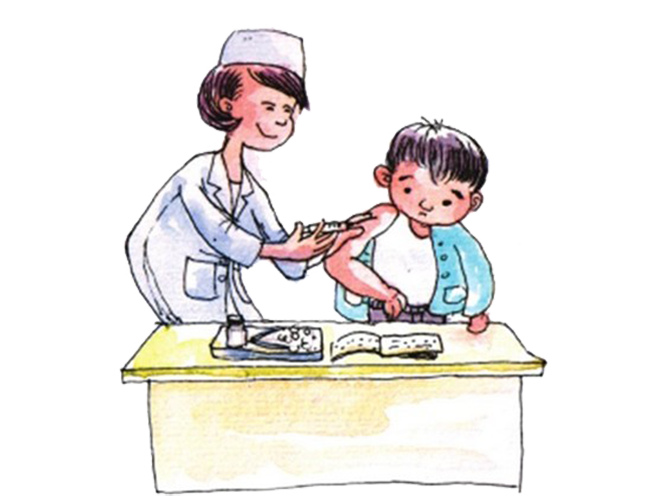
Vaccinations are an important way to protect children from diseases and illnesses. Make sure your child receives all the recommended vaccinations.
6.Reduce stress

Not only adults but a child can also be stressed due to many factors. This can weaken their immune system. Help your child manage stress by encouraging them to engage in relaxation techniques like deep breathing or meditation.
Also let them play with other child, make friends and increase play time which may alleviate their stress.
7.Limit sugar and processed foods
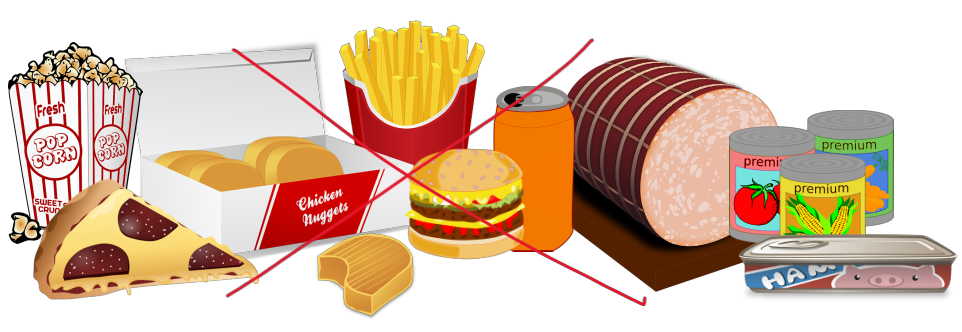
Too much sugar and processed foods can weaken the immune system. Encourage your child to limit their intake of these foods.
8.Ensure adequate vitamin D

Vitamin D is important for building a strong immune system for your child. Encourage your child to spend time outside in the sun to build their immune system and consider talking to their doctor about vitamin D supplements if needed.
Before wrapping up, remember that building immunity is a gradual process and cannot be achieved overnight. Consistency is key, so make sure to incorporate these healthy habits into your child’s daily routine.