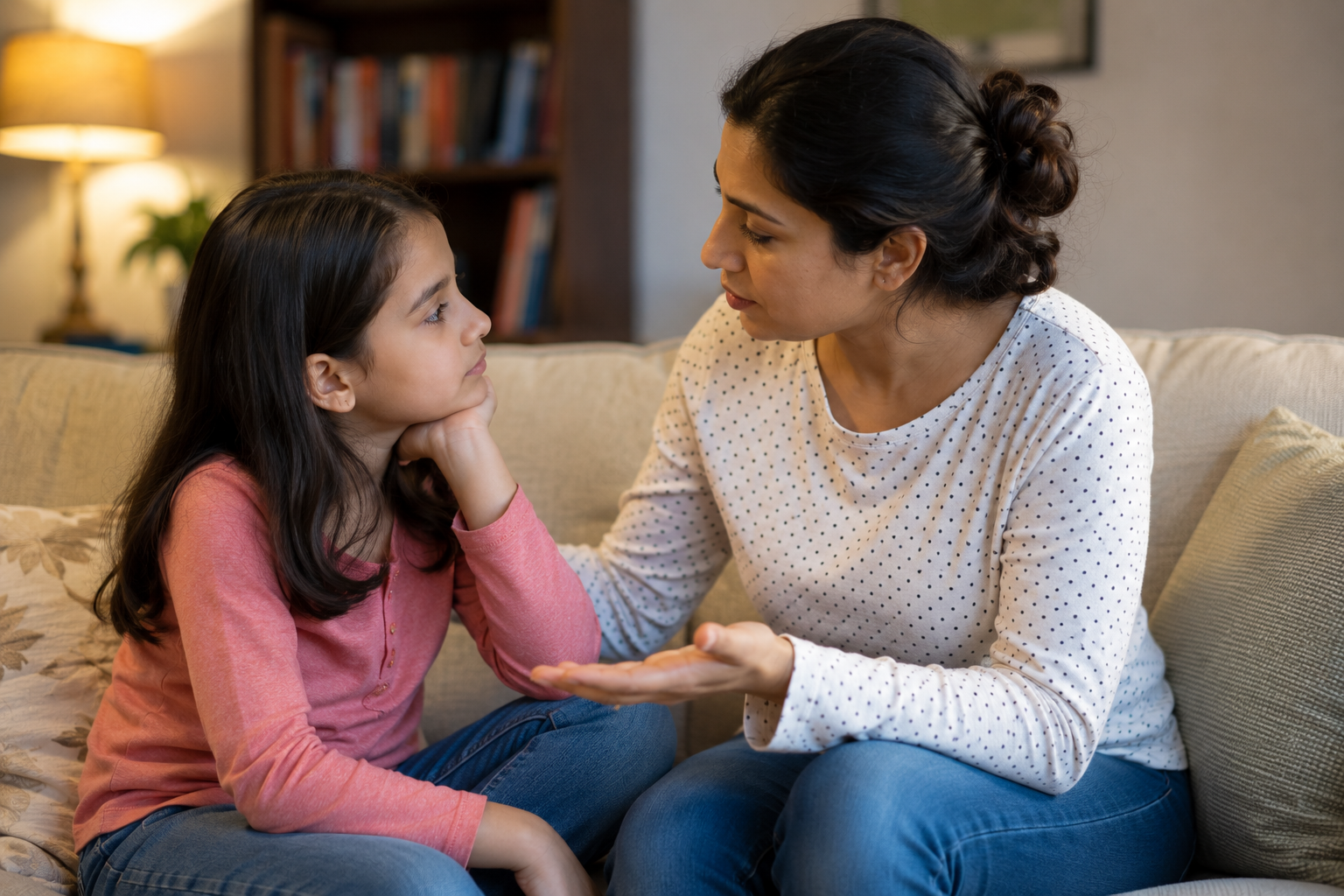
The Ways We Hurt Our Kids Without Realizing It …and What I’m Learning to Do Differently
I used to think parenting mistakes were the obvious things like being too strict, shouting too much, not spending enough time with your children, or constantly comparing them with someone else.
But as my children grow, I’m starting to notice that sometimes it is the much smaller things that matter.
Things we say without thinking. Things grandparents do out of love. Things friends do because they want to make our children happy. The videos we allow because we need twenty peaceful minutes. The way we react to a problem that looks ridiculously small to us but feels enormous to our child.
None of these things automatically makes someone a bad parent.
I certainly don’t consider myself a perfect one.
There are mornings when I lose patience. There are situations where I don’t understand why my daughter is making such a big deal about something. There are also moments when I know exactly what I want to teach my child, but another adult in the family has a completely different idea.
And having two children has made me realise something else: even if I eventually figure out how to parent one child, the second one arrives with an entirely different personality and apparently hasn’t read any of my parenting notes.
So these aren’t rules that I think every parent needs to follow.
They’re simply things I have started noticing in my own home and things I am trying to change before they quietly become normal for my children.
1. Sometimes I Need to Stop Thinking Like an Adult
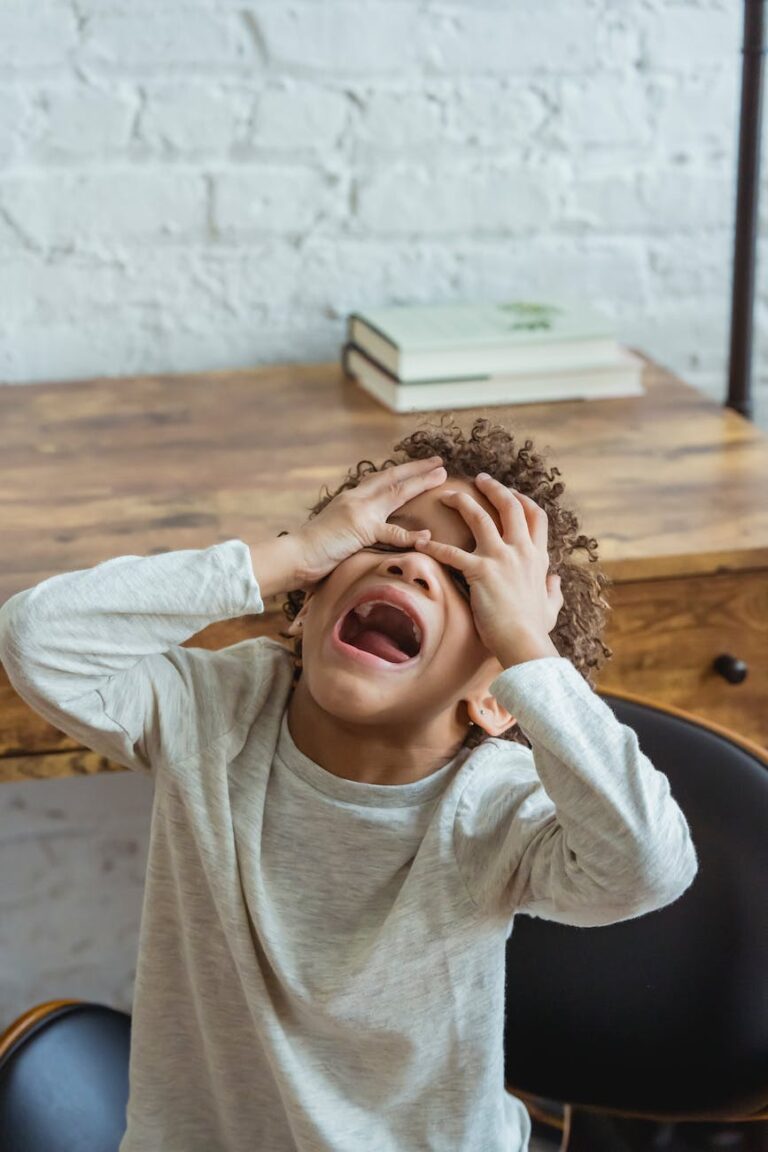
My daughter recently told me she didn’t want to go to school because she had been absent the previous day and her teacher would make her complete the pending work.
My immediate adult reaction was basically:
What’s the big deal?
You missed some work. You complete it. Problem solved.
But clearly it wasn’t that simple in her head.
Maybe she was worried about sitting there while everyone else was doing something different. Maybe she didn’t like the pressure of catching up. Maybe she was simply dreading the extra work.
Whatever the reason, it felt much bigger to her than it did to me.
I think parents sometimes forget that children don’t measure problems using the same scale we do.
Something that feels like a pebble in my shoe can feel like a huge rock in hers.
And I am guilty of immediately trying to explain why she shouldn’t be upset instead of first trying to understand why she is upset.
I’m trying to change that.
Instead of immediately saying, “There’s nothing to worry about,” I want to ask:
“What exactly are you worried about?”
Because telling someone that their problem isn’t a problem doesn’t necessarily make the feeling disappear.
And if I think about my own life, I understand that perfectly well.
Sometimes I am stressed about work, exhausted on a Monday morning or simply not in the mood to do something. If someone told me, “What’s the big deal?”, I’m fairly certain it wouldn’t magically improve my mood.
So why do I sometimes expect it to work with a child?
2. The Morning Yelling Probably Isn’t Helping Anyone
School mornings can bring out a version of parenting that I don’t particularly enjoy admitting exists.
You know the routine.
“Get up!”
“You’re going to be late!”
“Brush your teeth!”
“Why are you still lying there?”
And when my daughter says she doesn’t want to go to school, sometimes our irritated response is:
“Fine. Don’t go. Sleep. But then don’t ask for TV.”
Of course, we don’t actually mean that she can stay home every time she doesn’t feel like school.
We’re frustrated. We’re rushing. The clock is moving much faster than the child.
But lately I’ve wondered whether children get their own version of Monday blues.
Adults complain endlessly about Monday mornings. We need coffee, motivation, inspirational quotes and sometimes ten minutes of silence before we’re willing to acknowledge another human being.
Yet when a child says, “I don’t want to go to school today,” we can immediately treat it like a disciplinary issue.
Sometimes she still has to go.
But perhaps I can acknowledge the feeling without turning the entire morning into a battle.
There are also moments when our shouting comes from genuine fear.
If my older daughter leaves scissors on the sofa, for example, I immediately think about her little sister picking them up. My reaction becomes much bigger because my brain has already imagined everything that could go wrong.
She only sees a pair of scissors she forgot to put away.
I see a 1.5-year-old finding them five minutes later.
That doesn’t mean I shouldn’t correct her.
But I am trying to remember that she doesn’t automatically understand the whole chain of panic happening inside my head.
Sometimes explaining why I’m upset works better than simply increasing my volume.
3. I Don’t Want YouTube Raising My Child’s Imagination
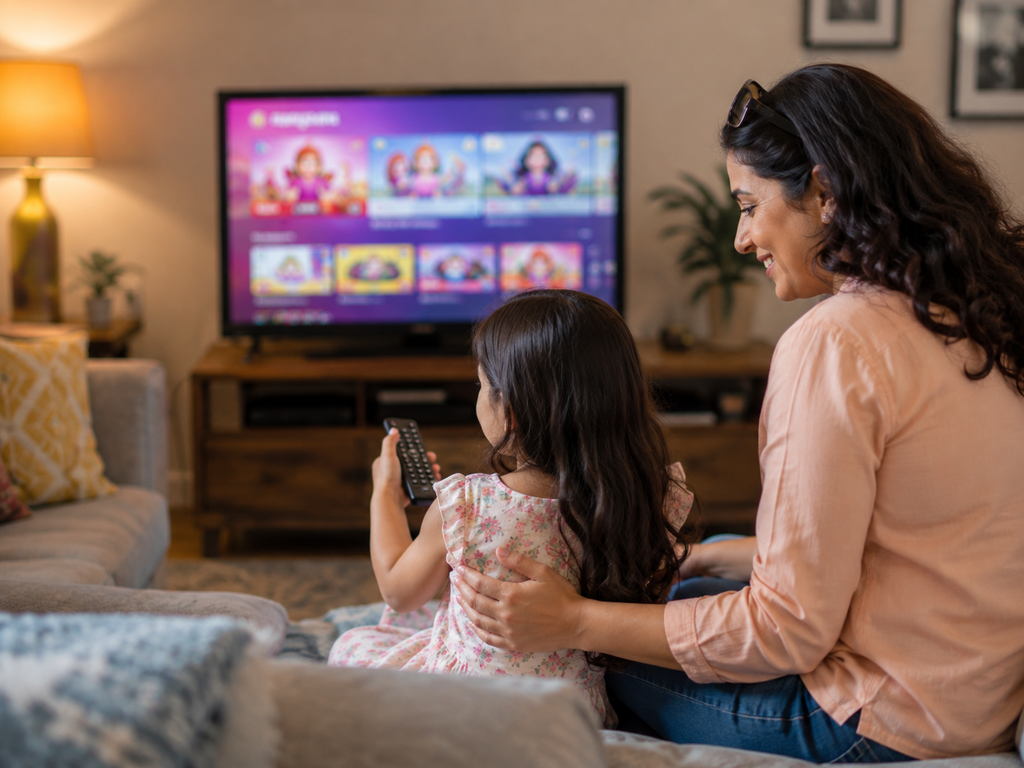
I don’t think screens are disappearing from our children’s lives.
I can ban YouTube today, and tomorrow there will be another app, another device and another kind of content.
So I stopped trying to think in terms of screens versus no screens.
I started thinking much more about what my child is actually consuming.
At one point my daughter was watching videos with cartoon mothers being pregnant and giving birth, strange horror content presented as comedy, and endless YouTube Shorts where one video immediately rolled into another.
None of it seemed particularly meaningful.
More importantly, I started worrying about the constant stimulation.
My daughter loves painting and crafts, and I don’t want her childhood imagination to become dependent on somebody else supplying entertainment every fifteen seconds.
So I replaced regular YouTube on our television with YouTube Kids and explained why.
I told her that I wasn’t trying to stop her from watching things. I simply didn’t want her watching overly stimulating content all the time because I wanted her mind to still have space to imagine, paint and create things herself.
I was actually surprised by her response.
She told me, essentially:
“Okay, Mommy. I want to make interesting crafts.”
We even talked about how, when I was growing up, we didn’t have this endless stream of videos and somehow invented games ourselves.
And she understood.
There wasn’t the huge resistance I had expected.
That taught me something important too.
Sometimes we assume children will fight every boundary, so we don’t bother explaining it properly.
But children can sometimes accept a limit surprisingly well when they understand what we’re trying to protect.
I don’t want to make television the villain in our house.
I just don’t want it to become so entertaining that real life starts looking boring.
4. I Don’t Want Gifts to Become Ordinary
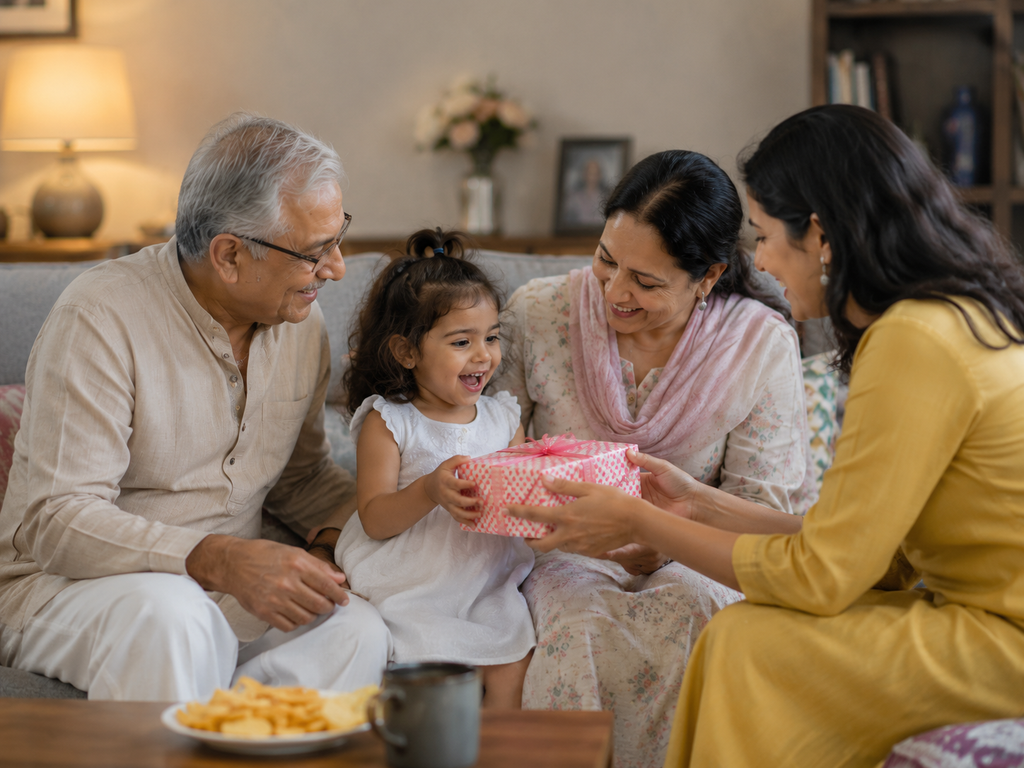
Growing up, gifts were not an everyday thing for me.
They were special partly because they were rare.
We didn’t get everything we wanted immediately, and although I probably didn’t appreciate it at the time, I think struggling for some things taught me their value.
My children’s lives are different.
And that is a good thing in many ways. As parents, don’t we all want to give our children things we perhaps couldn’t have ourselves?
But I have started wondering where providing more turns into appreciating less.
One of my friends loves my daughter and would occasionally bring her gifts — after exams, when visiting our house or simply because she wanted to make her happy.
It came completely from love.
But eventually we told her something along the lines of:
“We want her to wait for you, not for the gift you’re bringing.”
I didn’t want my daughter to start associating somebody walking through the door with:
“What did you bring me?”
My friend understood. She respected that we’re the parents and this is something we’re trying to teach.
I still want my children to receive gifts. I want them to have the excitement of birthdays, festivals and surprises.
I just don’t want receiving things to become so routine that nothing feels special anymore.
Because I want my daughters to have something that I think is becoming harder to teach when children have so much:
gratitude.
Not guilt for having more.
Not “You should be grateful because other children have less.”
Simply the ability to look at something they have and understand that it has value.
5. The Harder Battle Is Sometimes With Grandparents, Not Children
Friends are relatively easy.
You explain your parenting decision, and hopefully they respect it.
Grandparents are an entirely different category.
Grandparents want to connect with their grandchildren, and very often their preferred method of connection is saying yes to things the parents have already said no to.
And I understand it.
They love their grandchildren.
They want them to remember Grandma and Grandpa as the people who gave them treats, defended them and made them happy.
The difficult part is when that starts interfering with what I’m trying to teach.
Sometimes I will be scolding my daughter and my father-in-law will say:
“Why are you scolding your child?”
I really dislike that moment.
Not because I think grandparents should never disagree with me.
Maybe sometimes I’m wrong.
Maybe I am overreacting.
But when it happens in front of my daughter, suddenly I feel like I have been cast as the bad person while somebody else gets to be the loving one who rescued her from me.
And there is another thing that worries me.
Children are smart.
Maybe she doesn’t use Grandpa as a card today. Maybe she doesn’t smile and think, “Great, I’ve won.”
But eventually children understand family dynamics.
If Mom says no but Grandpa can turn it into yes, that becomes useful information.
And what am I supposed to do in that moment?
Fight with a grandparent in front of my child?
That’s not exactly the lesson I want to teach either.
So sometimes parenting feels strangely helpless.
The same thing can happen with food.
Once when we went out, my toddler was given namkeen and chocolate while we weren’t there. Later that night she was uncomfortable with gas, and my mother-in-law brought her back to me and told me she’d had some extra treats while we were away and asked me to give her some medicine.
I remember thinking: this is exactly why parents sometimes say no.
Of course, I can’t say that those foods definitely caused her discomfort. Toddlers get uncomfortable for all kinds of reasons.
But the bigger issue for me was that a decision had been made for my child when I wasn’t there, and then I was responsible for dealing with what came afterwards.
This is still something I’m learning to navigate.
I don’t want grandparents to feel controlled. I don’t want my children growing up without that wonderfully indulgent grandparent relationship either.
But I also think there is a difference between grandparents occasionally spoiling a child and grandparents repeatedly overturning the parents’ decisions.
I haven’t found a perfect solution.
Maybe there isn’t one.
6. Saying No Is Sometimes Part of Giving Them More
This is probably connected to the gifts, the treats, the television and the grandparents.
When we love children, we want to give them things.
And because we can sometimes afford things our own parents couldn’t, saying yes feels wonderful.
But I increasingly think children also need to experience:
“Not today.”
“Maybe later.”
“You already have one.”
“You will have to wait.”
Not because childhood needs unnecessary hardship.
I don’t want my children struggling just because I struggled.
But I do want them to understand that wanting something doesn’t automatically create an obligation for someone else to provide it.
I want a new dress too sometimes.
I don’t buy every one I see.
I want to go on vacation every month.
Life disagrees.
Learning how to wait, save, accept disappointment and appreciate what we already have isn’t punishment.
It’s life.
And I’d rather my children learn a little of that safely at home than discover it for the first time as adults.
7. Then the Second Child Arrives and Humiliates All Your Parenting Expertise
My younger daughter is only 1.5 years old, so I can hardly pretend I have some sophisticated parenting strategy for her yet.
Mostly, at this age, the strategy is survival.
But one thing is already very clear.
She is completely different from her older sister.
My first daughter was much quieter.
The younger one is… not.
She is far more mischievous, far more active and apparently much more interested in testing how quickly the adults around her can move.
And I think this is another mistake parents can make — assuming the same parenting formula will work for every child.
It probably won’t.
Children come with personalities.
What works beautifully with one may accomplish absolutely nothing with another.
Even within the same family.
So maybe parenting isn’t about finding the method.
Maybe it is about constantly adjusting.
Listening.
Watching.
Trying something.
Getting it wrong.
Trying again.
And occasionally accepting that the small person standing in front of you is not going to follow the parenting book you had mentally written before they were born.
What I Am Actually Trying to Change
Writing all this doesn’t mean I follow these ideas perfectly.
I don’t.
I still get irritated when something seems trivial to me.
I still raise my voice sometimes.
I still have moments when I wish everyone around me would simply follow my parenting rules and make my life easier.
And I will probably continue discovering new ways in which I’m getting things wrong as my children grow.
But I think I’m becoming more conscious of one question:
What is my child learning from this situation beyond what I’m trying to teach her?
When I dismiss her school worry, is she learning that her worries are silly?
When another adult overturns my no, is she learning that boundaries are negotiable if she finds the right person?
When gifts arrive constantly, does she still experience the excitement of receiving something special?
When endless videos entertain her, does she still know how to entertain herself?
When I shout because I am scared, does she understand the danger or only remember the shouting?
I don’t always know the answer.
But at least I’m starting to ask the questions.
I’m Not Telling Anyone How to Parent
Every family is different.
Every child is different.
Grandparents are different.
Financial situations are different.
Cultures are different.
And something that works beautifully in my house may be a terrible idea in someone else’s.
So I don’t want this article to sound like a list of rules you need to follow to raise a good child.
It isn’t.
These are simply things I have noticed while raising my own children.
Some of them may make sense to you.
Some may not.
But if even one point makes you stop the next time you’re about to react and think, “Maybe I could handle this differently,” then I’m happy I shared it.
I’m trying to do the same.
Because for me, good parenting isn’t about getting everything right.
It’s noticing the things we may be getting wrong before they quietly become normal.
And then trying, one situation at a time, to do a little better.