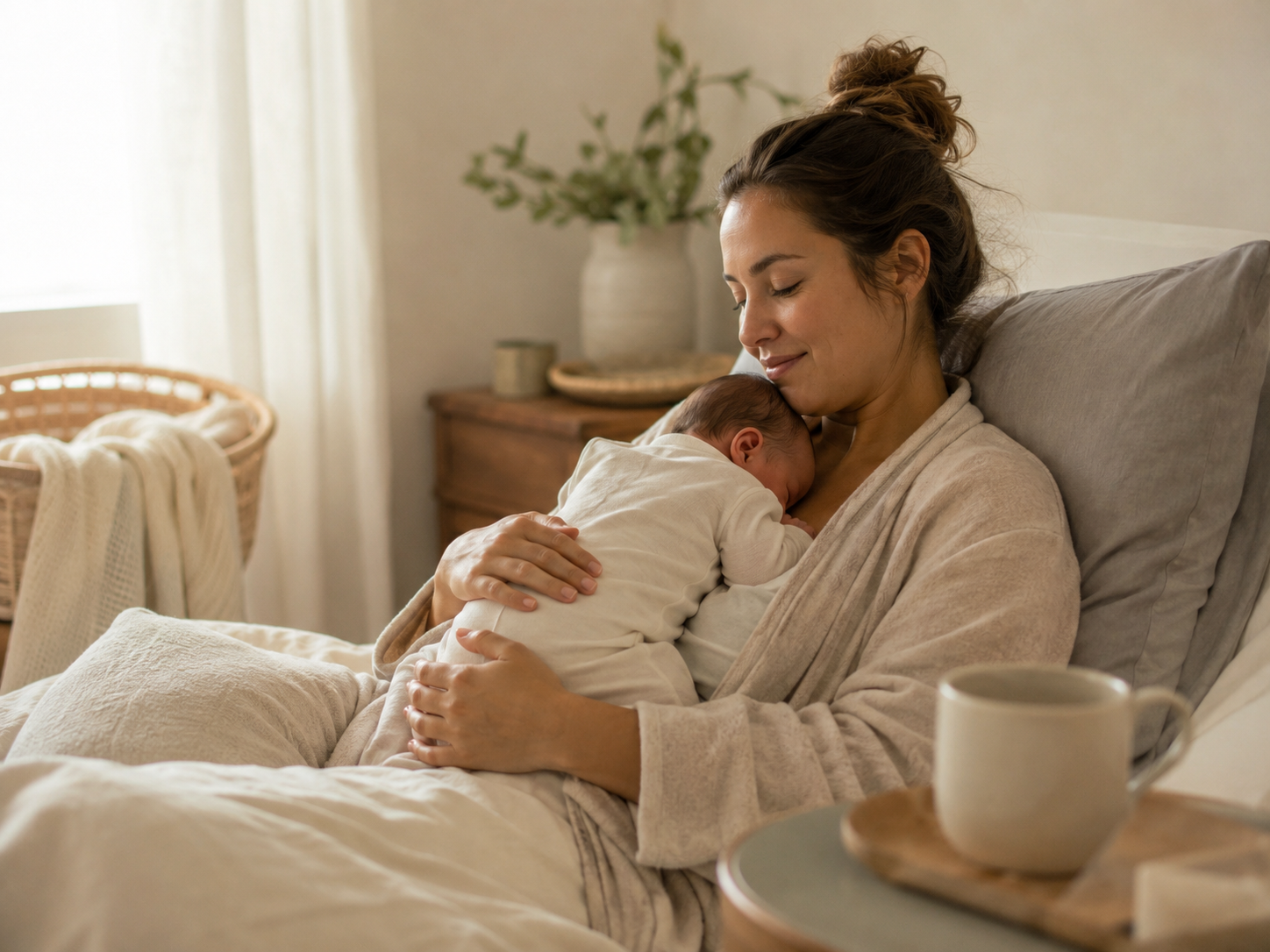
Postpartum Cramps: What I Learned After Delivery
After delivery, I started feeling strange cramp-like contractions in my abdomen. At first, I was worried because I thought the contractions would end once the baby was born.
I felt much more reassured after speaking with my doctor and learning that these cramps can be a normal part of postpartum recovery. They are often called postpartum cramps or afterpains
For me, understanding why they were happening made them much less frightening.
Medical note: This article shares my personal experience and general information. It is not a substitute for medical advice. If your pain is severe, worsening, or accompanied by heavy bleeding, fever, dizziness, or other concerning symptoms, contact a healthcare professional.
What Are Postpartum Cramps?
Postpartum cramps are abdominal cramps that can occur during the days after childbirth.
They may feel like:
- Occasionally stronger, labour-like cramps
- Menstrual cramps
- Tightening in the lower abdomen
- Mild contractions
- Occasionally stronger, labour-like cramps
These contractions happen because the uterus, which grew significantly during pregnancy, begins shrinking after childbirth.
This process is sometimes called uterine involution.
Why Do Postpartum Cramps Happen?
During pregnancy, the uterus expands to accommodate the growing baby.
After delivery, the uterus starts contracting so that it can gradually return toward its normal size.
These contractions are one of the main causes of postpartum cramps.
The hormone oxytocin plays an important role in this process because it causes the uterus to contract.
Why Are Postpartum Cramps Stronger While Breastfeeding?
I also noticed that the cramps could feel stronger while breastfeeding.
Breastfeeding stimulates the release of oxytocin. The same hormone that helps with milk release also causes the uterus to contract.
Because of this, some mothers notice more intense afterbirth pains while feeding their baby.
This can be uncomfortable, but it is a recognised part of postpartum recovery for many women.
Are Postpartum Cramps Worse After the Second Baby?
They can be.
Postpartum cramps or afterpains are often more noticeable in women who have given birth before.
This was particularly interesting to me because motherhood the second time around already felt very different in many ways.
Every woman’s recovery is different, however, and the intensity of the cramps can vary.
How Long Do Postpartum Cramps Last?
Postpartum cramps are usually most noticeable during the first few days after delivery and generally improve as the uterus continues shrinking.
However, the duration and intensity can vary from one mother to another.
If your cramps are becoming stronger rather than improving, or if something simply does not feel right, speak with your healthcare provider.
What Helped Me With Postpartum Cramps?
Once I understood what was happening, I focused on simple ways to stay comfortable during recovery.
1. Using Gentle Heat
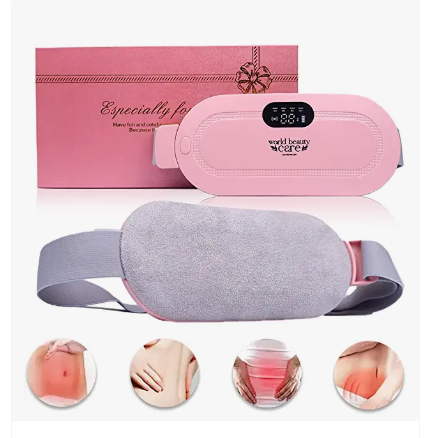
Applying gentle warmth to the lower abdomen can feel soothing.
A warm compress or heating pad may help relieve discomfort.
Always make sure the heat is comfortable and not excessively hot.
2. Getting Enough Rest
It is easy to underestimate how much recovery the body needs after childbirth.
Rest became an important part of managing my discomfort, even though getting enough rest with a newborn is obviously easier said than done.
3. Staying Hydrated
I also tried to drink enough water throughout the day.
Staying hydrated is an important part of postpartum recovery in general.
4. Gentle Movement
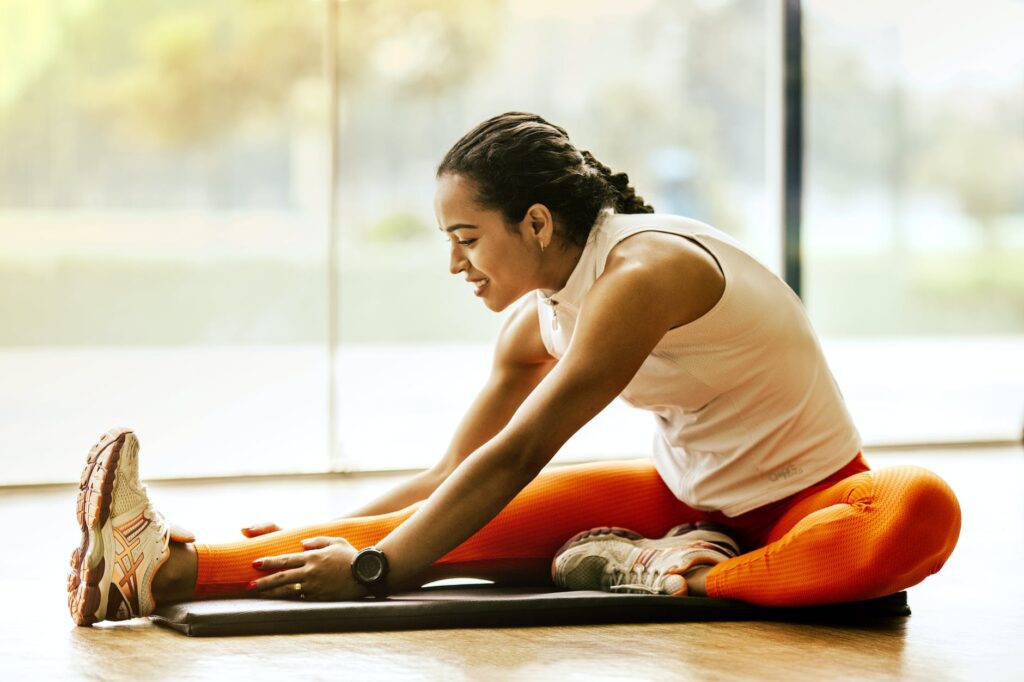
Once I felt comfortable and had no medical restrictions, short walks and gentle movement helped me feel better overall.
There is no need to rush back into exercise after delivery. Recovery should happen at a pace that feels appropriate for your body and your doctor’s guidance.
5. Talking to My Doctor About Pain Relief
If postpartum cramps are painful, ask your doctor which pain-relief options are appropriate for you.
This is especially important if you are breastfeeding or taking other medication.
I would avoid taking medicine simply because it worked for another mother. Your healthcare provider can advise what is suitable for your individual situation.
When Should You Call a Doctor About Postpartum Cramps?
Although some cramping after delivery can be normal, certain symptoms should not be ignored.
Contact your doctor or healthcare provider if you experience:
- Severe or increasing abdominal pain
- Very heavy vaginal bleeding
- Fever
- Foul-smelling vaginal discharge
- Feeling faint or unusually dizzy
- Persistent nausea or vomiting
- Pain that does not seem to improve
- Any symptom that makes you feel something is wrong
Postpartum recovery can be unpredictable, and it is always better to ask a medical professional when you are unsure.
Postpartum Cramps vs. Other Postpartum Pain
Not every pain after childbirth is necessarily an afterpain.
Abdominal discomfort can sometimes be associated with other postpartum issues, including constipation, infection, or complications following delivery.
I also experienced questions around constipation after labour and delivery, which can add to abdominal discomfort during the postpartum period.
If you are unsure what is causing your pain, your doctor is the best person to help identify the reason.
What I Learned From Postpartum Cramps
One thing motherhood has taught me is that childbirth does not end the moment the baby is born.
Your body continues recovering for weeks afterward.
When I first experienced postpartum cramps, I was anxious because I did not understand what was happening. Once my doctor explained afterbirth pains to me, I felt much more comfortable dealing with them.
Sometimes understanding a symptom removes half the fear.
If you are recovering after delivery and experiencing cramps, give yourself time, rest when you can, and do not hesitate to ask your doctor questions.
Your body has done something extraordinary. It deserves time to recover.