





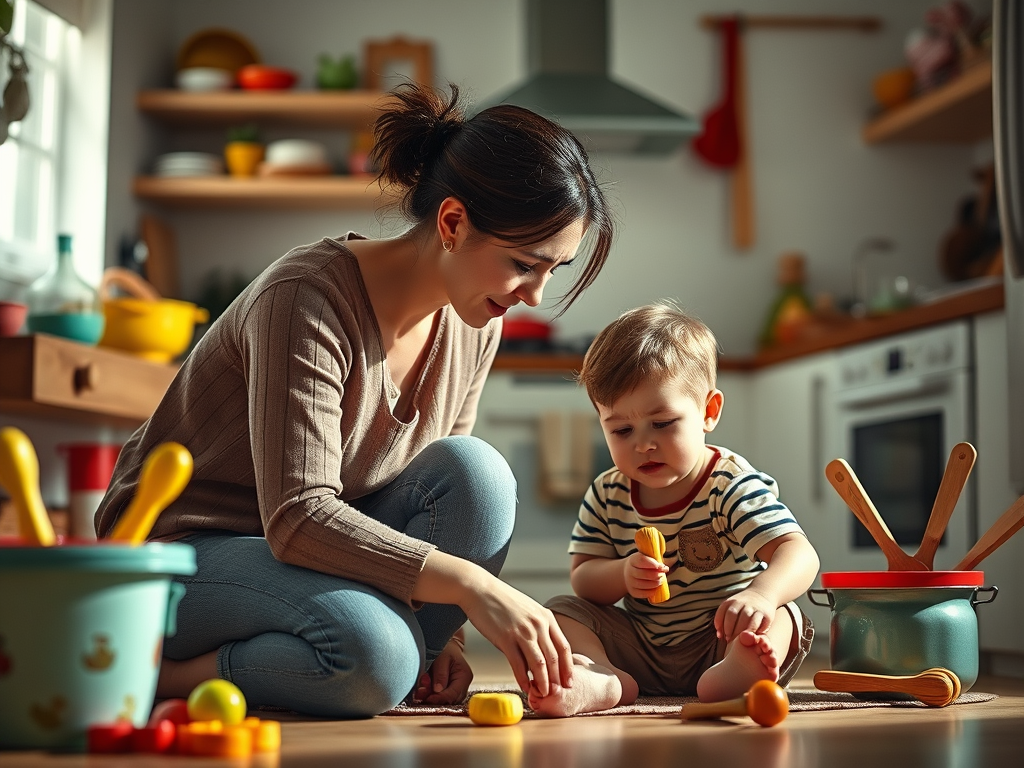
As a mom of two—a spirited 8-year-old and a curious 5-year-old—I’ve learned that parenting is equal parts love, chaos, and learning on the fly. When my oldest, Mia, came home from school one day in tears because her best friend didn’t want to play with her, my first instinct was to fix it. I wanted to call the other mom, arrange a playdate, and make it all better. But then I paused. What if this was an opportunity for Mia to learn how to handle disappointment? What if, instead of shielding her from every hurt, I could help her build the resilience she’d need to navigate life’s ups and downs?
That moment was a turning point for me. It made me realize that raising resilient kids isn’t about protecting them from every fall—it’s about teaching them how to get back up. And in today’s digital age, where screens and social media add a whole new layer of complexity, fostering emotional strength feels more important than ever.
Here are some lessons I’ve learned (and am still learning) on this journey:
1. Naming Emotions: “It’s Okay to Feel Big Feelings”
One evening, after a particularly rough day, my son Liam threw himself on the floor because I told him he couldn’t have another cookie. Instead of dismissing his tantrum, I knelt down and said, “You’re really upset right now, aren’t you? It’s hard when we can’t have what we want.” To my surprise, he nodded through his tears. That simple act of naming his emotion seemed to calm him down. It was a reminder that kids need help understanding what they’re feeling before they can manage it.
Now, we talk about emotions openly in our house. When Mia feels anxious about a test or Liam gets frustrated with a puzzle, we name those feelings together. It’s not always easy, but it’s helping them build emotional literacy—one meltdown at a time.
2. Letting Them Solve Their Own Problems (Even When It’s Hard)
I’ll admit, I’m a recovering “fixer.” When Mia struggled with a math assignment last week, my first instinct was to sit down and walk her through every problem. But instead, I took a deep breath and said, “Why don’t you try the first one on your own, and I’ll check in with you in a few minutes?” She groaned, but she did it. And when she got it right, the look of pride on her face was priceless.
It’s not easy to step back, but I’ve learned that kids need the space to figure things out for themselves. Whether it’s a homework problem or a disagreement with a friend, guiding them to find their own solutions builds confidence and resilience.
3. Modeling Resilience: “Mommy Makes Mistakes Too”
Last month, I burned dinner—again. As I stood there staring at the charred remains of what was supposed to be a delicious lasagna, I felt like a failure. But instead of hiding it, I called the kids into the kitchen and said, “Well, Mommy messed up. But that’s okay! We’ll order pizza and try again tomorrow.” Mia looked at me and said, “You’re not giving up?” I smiled and said, “Nope. Giving up isn’t an option.”
Kids watch everything we do, and they learn from how we handle our own mistakes. By showing them that it’s okay to fail and try again, we’re teaching them that resilience is a skill, not a trait you’re born with.
4. Setting Boundaries Around Screens: The Great Tablet Debate
Let’s be real—screens are a lifesaver on busy days. But I’ve also seen how too much screen time can turn my sweet, creative kids into cranky zombies. After one too many meltdowns over turning off the tablet, we introduced a “screen time jar.” Each day, the kids get 30 minutes of screen time, and they can choose when to use it. It’s not perfect, but it’s helped them learn to manage their time and prioritize other activities, like drawing or playing outside.
5. Celebrating Effort, Not Just Results
When Mia brought home a drawing she’d worked on for hours, my first thought was, “Wow, that’s amazing!” But instead of just praising the final product, I said, “I love how you kept working on this, even when it got hard. You didn’t give up!” Her face lit up, and she said, “Yeah, it was tricky, but I kept trying!”
It’s a small shift, but it’s made a big difference. By focusing on effort rather than outcomes, we’re teaching our kids that the process matters just as much as the result.
6. Being Their Safe Space
There’s a quote I love: “Children need love most when they deserve it least.” I’ve had moments where I’ve lost my patience or raised my voice, and I always regret it. But I’ve also learned that saying “I’m sorry” and giving them a hug can repair almost anything. My kids know that no matter what happens, I’m their safe space—their person. And that, more than anything, gives them the courage to face the world.
Final Thoughts
Parenting in the digital age is messy, unpredictable, and sometimes downright exhausting. But it’s also filled with moments of joy, growth, and connection. As I navigate this journey with Mia and Liam, I’m constantly reminded that resilience isn’t about being perfect—it’s about being present. It’s about showing up, even when it’s hard, and helping our kids learn to do the same.
So, to all the parents out there: you’re doing better than you think. Keep going. Keep loving. And remember, you’re not just raising kids—you’re raising resilient, capable humans who will one day change the world.
What about you? How do you foster resilience in your kids? I’d love to hear your stories and tips—let’s learn from each other!