





This article is for all the beautiful moms out there who is nurturing a new life inside them. I just want to remind them that this is a crucial time to take extra care of your diet which should include benefits of Iron and Calcium to ensure both you and your baby are getting all the nutrients you need during pregnancy.
So, in this page I have listed down the benefits of Iron and Calcium for your baby, food sources rich in them, how you can incorporate them in your diet and how to improve the absorption of both the minerals in your body.
Benefits of Calcium for growing baby
Calcium is essential for the healthy development of a growing baby in the mother’s womb. Key benefits include:
Formation of Bones and Teeth
Calcium is critical for the development of the baby’s bones and teeth. The mineral provides the necessary building blocks for creating a strong skeletal structure.
Bone Density: Adequate calcium intake helps ensure that the baby’s bones develop with sufficient density, reducing the risk of fractures and bone diseases later in life.
Muscle Function and Development: Calcium is vital for the proper functioning of muscles, including the heart muscle. It helps with the contraction and relaxation of muscles, which is important for the baby’s overall muscular development.
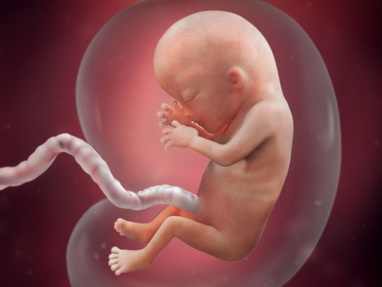
Heart Development
Adequate calcium is crucial for the development of the baby’s heart. It ensures that the heart muscles function properly, supporting a healthy heartbeat and circulatory system.
Blood Clotting
Calcium helps in the normal clotting of blood, which is essential for preventing excessive bleeding and ensuring proper healing processes.
Hormone Secretion
Calcium is involved in the secretion of hormones that regulate various bodily functions, contributing to the baby’s overall growth and development.
To ensure adequate calcium intake, pregnant women can include a variety of calcium-rich foods in their diet.
Foods rich in calcium
1.Dairy Products:
- Milk: Can be consumed directly or used in dishes like kheer, smoothies, and shakes
- Cheese: Use pasteurized and well-cooked cheeses such as cheddar, mozzarella, Swiss, parmesan, and cottage cheese.
- Yogurt: Can be eaten plain, with fruits, or in dishes like raita and kadhi
- Buttermilk(chaas): Enjoy a glass of chilled buttermilk with a pinch of salt or sugar, use buttermilk to knead the dough for making soft and flavorful parathas.
- Paneer (Indian Cottage Cheese) –Can be used in dishes like palak paneer, paneer tikka, and paneer bhurji.
2.Leafy Green Vegetables:
- Amaranth Leaves (Chaulai) – Rich in calcium, they can be incorporated into dishes like sabzi or dal.
- Drumstick Leaves (Moringa) – Packed with nutrients, they are versatile for use in soups, sambar, or parathas.
- Fenugreek Leaves (Methi) – Commonly featured in recipes such as methi paratha, methi thepla, and methi malai paneer.
- Spinach (Palak) – Although it contains oxalates that can inhibit calcium absorption, it is still a substantial source of calcium
3.Fortified Foods:
- Cereals-Many breakfast cereals available in India are fortified with calcium
- Plant-based milks (soy, almond, rice)-Soy milk, almond milk, and other plant-based milks often come fortified with calcium.
4.Fish with Bones:
- Sardines (with bones):Small fish like sardines are a great source of calcium. Can be included in curries and grilled dishes.
- Indian Mackerel (Bangda):Another fish that provides calcium when eaten with bones.
5.Nuts and Seeds:
- Almonds (Badam)-Can be eaten raw, soaked, or used in desserts and smoothies
- Sesame Seeds (Til)-Can be used in ladoos, chutneys, and sprinkled on salads and stir-fries.
6.Legumes and pulses:
- Both kabuli chana (white chickpeas) and kala chana (black chickpeas) are good sources of calcium.
- Various dals like masoor dal, toor dal, and moong dal contain calcium
Practical Meal Ideas WITH FOODS RICH IN CALCIUM
- Breakfast:
- Ragi porridge with a glass of fortified soy milk.
- Paneer and vegetable sandwich with a bowl of yogurt.
- Lunch:
- Palak paneer with roti and a side of amaranth leaves sabzi.
- Chana masala with rice and a glass of buttermilk.
- Dinner:
- Methi paratha with drumstick leaves dal and a glass of milk.
- Fish curry made with sardines and a side of steamed vegetables.
- Snacks:
- Almonds and dried figs.
- Sesame seed (til) chikki or ladoo.
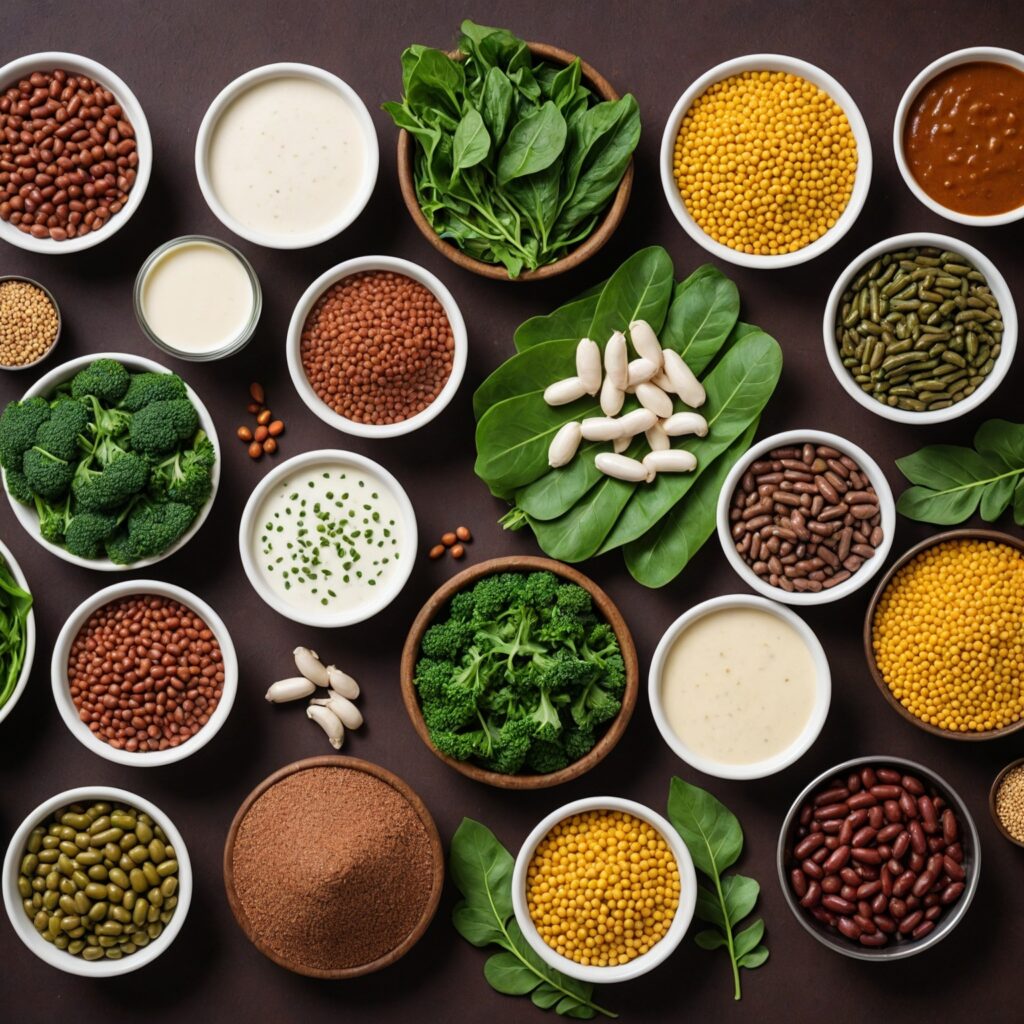
How to improve calcium absorption
Improving calcium absorption is essential for pregnant women to ensure they get the maximum benefit from their dietary intake. Here are some strategies to enhance calcium absorption:
1. Combine Calcium with Vitamin D
Vitamin D plays a crucial role in calcium absorption. Ensure adequate vitamin D intake by:
- Sun Exposure: Spend some time in sunlight, as it helps the body produce vitamin D.

- Dietary Sources: Include vitamin D-rich foods such as fortified milk, fatty fish (like salmon and mackerel), eggs, and mushrooms.
- Supplements: If necessary, take a vitamin D supplement after consulting with a healthcare provider.
2. Eat Calcium-Rich Foods with Meals
- Spread Intake: Consume calcium-rich foods throughout the day, rather than all at once, to enhance absorption.
- Pair with Other Nutrients: Eating calcium with other nutrients, such as protein and fat, can improve absorption.
3. Limit High-Oxalate Foods
Some foods contain oxalates that can inhibit calcium absorption:
- Moderation: Limit high-oxalate foods like spinach, beet greens, and rhubarb. If consuming these, pair them with calcium-rich foods to offset the effect.
4. Avoid Calcium Inhibitors
Certain substances can inhibit calcium absorption and should be consumed in moderation:
- Caffeine: Limit coffee, tea, and caffeinated soft drinks.

- Phytates: Found in whole grains and legumes, phytates can bind to calcium and reduce its absorption. Soaking, sprouting, or fermenting these foods can help reduce phytate content.
- High-Sodium Foods: Excessive salt can cause calcium loss through urine. Reduce intake of high sodium processed foods.
- Excessive Protein: While protein is essential, too much can increase calcium excretion. Aim for balanced protein intake.
5. Maintain Adequate Magnesium and Phosphorus Levels
Both magnesium and phosphorus are important for calcium metabolism:
- Magnesium-Rich Foods: Include nuts, seeds, whole grains, and leafy green vegetables.
- Phosphorus-Rich Foods: Found in meat, poultry, fish, dairy products, and eggs.
6. Include Lactose and Prebiotics
Lactose (found in dairy products) and prebiotics (found in foods like garlic, onions, and bananas) can improve calcium absorption:
- Dairy Products: Milk, yogurt, and cheese are excellent sources of lactose.
- Prebiotic Foods: Include foods that promote healthy gut bacteria, which can enhance calcium absorption.
7. Avoid High-Calcium Supplements with Iron
Iron supplements can interfere with calcium absorption when taken together:
- Separate Intake: If taking both calcium and iron supplements, consume them at different times of the day.
Now that we have covered Calcium in detail,we will come to the benefits of Iron for your growing baby in womb.
Benefits of Iron for growing baby
Iron is essential for the healthy development of a growing baby in the mother’s womb. Here are the key benefits of iron during pregnancy:
1. Formation of Hemoglobin
- Oxygen Transport: Iron is a crucial component of hemoglobin, the protein in red blood cells that carries oxygen from the lungs to the rest of the body. Adequate iron levels ensure that the mother can supply sufficient oxygen to the baby for optimal growth and development.
- Red Blood Cell Production: Iron helps increase the mother’s blood volume and supports the production of additional red blood cells needed during pregnancy.
2. Prevention of Anemia
- Maternal Health: Adequate iron intake helps prevent iron-deficiency anemia in the mother, which can cause fatigue, weakness, and increased susceptibility to infections.
- Fetal Health: Preventing anemia in the mother reduces the risk of preterm delivery, low birth weight, and developmental issues in the baby.
3. Support for Baby’s Growth and Development
- Brain Development: Iron is critical for the development of the baby’s brain and nervous system. It plays a role in the formation of neurotransmitters, which are essential for brain function and cognitive development.
- Organ Development: Iron supports the growth and development of the baby’s organs, ensuring they function properly.
4. Building a Healthy Immune System
- Immune Function: Iron contributes to the development of a healthy immune system in the baby. It is necessary for the production and functioning of immune cells, which help protect against infections.
5. Energy Metabolism
- Energy Production: Iron is involved in various metabolic processes, including the conversion of calories into energy. This is crucial for the growing baby, as energy is needed for rapid cell division and growth.
Foods rich in Iron
Iron-rich foods are essential for pregnant women to support their increased iron needs and ensure the healthy development of their baby. In India, there are many traditional foods that are rich in iron and can be easily incorporated into a pregnancy diet.
Animal-Based Iron Sources (Heme Iron, better absorbed)
Lean Meats:
- Lamb: Cooked in dishes like lamb curry.
- Chicken: Used in chicken curry, tandoori chicken, and chicken biryani.
Fish:
- Sardines: Prepared in curries or fried.
- Salmon: Grilled or cooked in a curry.
Organ Meats:
- Liver: Chicken liver masala (consume in moderation due to high vitamin A content).
Plant-Based Iron Sources (Non-Heme Iron, less easily absorbed but still important)
- Legumes and Pulses:
- Lentils (Dal): Toor dal, moong dal, masoor dal, and chana dal used in dals and soups.
- Chickpeas (Chana): Chole (chickpea curry), black chana.
- Kidney Beans (Rajma): Rajma curry.
- Leafy Green Vegetables:
- Spinach (Palak): Used in palak paneer, palak paratha.
- Fenugreek Leaves (Methi): Used in methi paratha, methi thepla.
- Amaranth Leaves (Chaulai): Cooked as a vegetable side dish.
- Nuts and Seeds:
- Almonds (Badam): Eaten raw or used in desserts.
- Sesame Seeds (Til): Used in til ladoos, til chikki.
- Pumpkin Seeds: Added to snacks and salads.
- Grains and Cereals:
- Ragi (Finger Millet): Used in ragi dosa, ragi porridge.
- Whole Wheat: Used in whole wheat chapati, paratha.
- Quinoa: Used in salads and pulao.
- Poha
- Dried Fruits:
- Apricots (Khubani): Eaten as snacks or added to desserts.
- Raisins (Kishmish): Added to sweets and snacks.
- Dates (Khajur): Eaten as snacks or used in desserts.

Practical Meal Ideas WITH FOODS RICH IN IRON
Breakfast Ideas
- Spinach and Mushroom Omelette with eggs, onion and cheese.
- Ingredients: Eggs, fresh spinach, mushrooms, onions, and cheese.
- Iron-Rich Components: Spinach and mushrooms.
- Iron-Fortified Cereal with Milk
- Ingredients: Iron-fortified breakfast cereal, milk, and fresh fruit (e.g., berries or bananas).
- Iron-Rich Components: Fortified cereal and milk.
- Ragi Porridge
- Ingredients: Ragi flour, water or milk, and a pinch of cardamom.
- Iron-Rich Components: Ragi (finger millet).
Lunch Ideas
- Chole (Chickpea Curry)
- Ingredients: Chickpeas, tomatoes, onions, garlic, and spices.
- Iron-Rich Components: Chickpeas.
- Palak Paneer with Whole Wheat Roti
- Ingredients: Spinach, paneer (Indian cottage cheese), spices, and whole wheat flour.
- Iron-Rich Components: Spinach and paneer.
- Lentil Soup with a Side Salad
- Ingredients: Lentils, carrots, celery, onions, garlic, and mixed greens.
- Iron-Rich Components: Lentils.
Dinner Ideas
- Rajma (Kidney Bean Curry) with Brown Rice
- Ingredients: Kidney beans, tomatoes, onions, garlic, and spices.
- Iron-Rich Components: Kidney beans.
- Chicken Stir-Fry with Broccoli and Bell Peppers
- Ingredients: Chicken breast, broccoli, bell peppers, onions, and soy sauce.
- Iron-Rich Components: Chicken and broccoli.
- Stuffed Bell Peppers with Quinoa
- Ingredients: Bell peppers, quinoa, black beans, corn, and cheese.
- Iron-Rich Components: Quinoa and black beans.
Snack Ideas
- Almond and Date Energy Balls
- Ingredients: Almonds, dates, and a pinch of cocoa powder.
- Iron-Rich Components: Almonds and dates.
- Pumpkin Seed Trail Mix
- Ingredients: Pumpkin seeds, dried fruits (e.g., raisins or apricots), and nuts.
- Iron-Rich Components: Pumpkin seeds and dried fruits.
- Greek Yogurt with Berries and Honey
- Ingredients: Greek yogurt, mixed berries (like strawberries and blueberries), and honey.
- Iron-Rich Components: Berries.
Dessert Ideas
- Baked Apples with Cinnamon
- Ingredients: Apples, cinnamon, and a sprinkle of nuts.
- Iron-Rich Components: Nuts.
- Sesame Seed Chikki (Ladoo)
- Ingredients: Sesame seeds, jaggery, and ghee.
- Iron-Rich Components: Sesame seeds.
- Date and Nut Bars
- Ingredients: Dates, mixed nuts (e.g., cashews, almonds), and a bit of coconut.
- Iron-Rich Components: Dates and nuts.
How to improve Iron absorption
1.Consume Vitamin C with Iron-Rich Foods
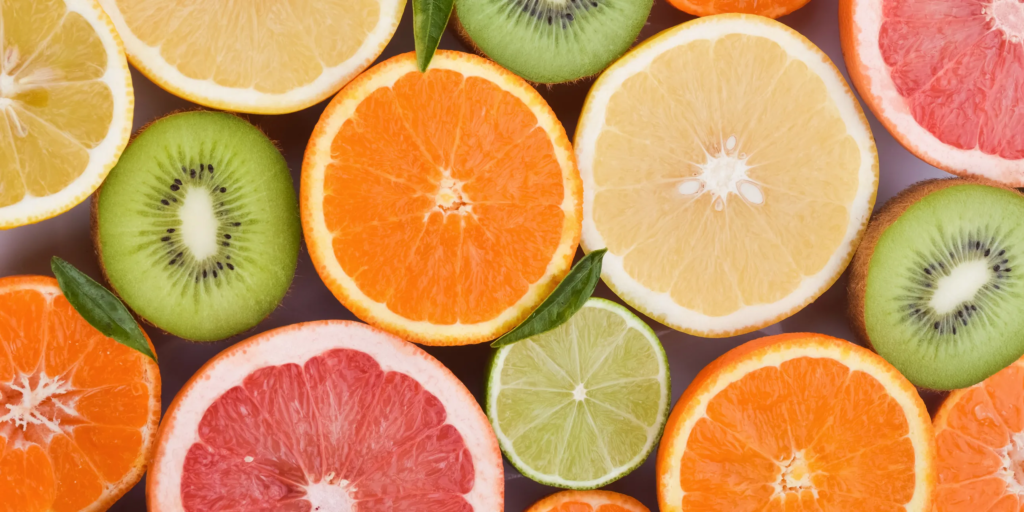
Pair iron-rich foods with foods high in vitamin C, such as:
- Citrus fruits (oranges, grapefruits, lemons)-If you are taking juice,take immediately otherwise oxidise
- Berries (strawberries, blueberries, raspberries)
- Bell peppers
- Tomatoes
- Broccoli
- Gooseberry/Amla
- Kiwi
2.Avoid foods which hinders iron absorption
Calcium: High-calcium foods and supplements can inhibit iron absorption. Try to consume them separately from iron-rich meals.
Avoid Excessive Intake of Certain Nutrients and Medications:High consumption of antacids can decrease iron absorption. Consult with your healthcare provider about alternatives if necessary.
Caffeine: Limit tea, coffee or have iron rich food after 3 hours
Excessive Fiber: High levels of dietary fiber such as whole grains, fruits, vegetables, and fiber supplements can bind to iron and other minerals, reducing their absorption.
3.Cook with Cast Iron Cookware
Cooking acidic foods (like tomato sauce) in cast iron pots and pans can increase the iron content of the food.
Some other important tips for Pregnant Women for a Happy and Healthy Baby
1.Increase fiber content in your meal: You can have beetroot tikki, pomegranate, guava, oranges with skin, whole skin dal, oats upma.
2.Avoid too much salty food such as soya sauce, pickles and papad as it can increase risk of preeclampsia for some women,
3.Avoid too much sweet as they can increase risk of gestational diabetes for some women
4.Foods should be of the plants but not from the plant (no factory made).
5.Exercise after consulting your health care professional as it can increase oxygen flow which will be good for the baby as well as you.
Note: This article is just on the basis of my research, and I am not a healthcare professional. It’s important to consult with a healthcare provider to ensure that dietary intake meets individual nutritional needs.
Encouraging all the moms reading this to have a nutritious, well-balanced meal and enjoy this phase of life!!! Have a healthy and happy baby dear reader 💖